

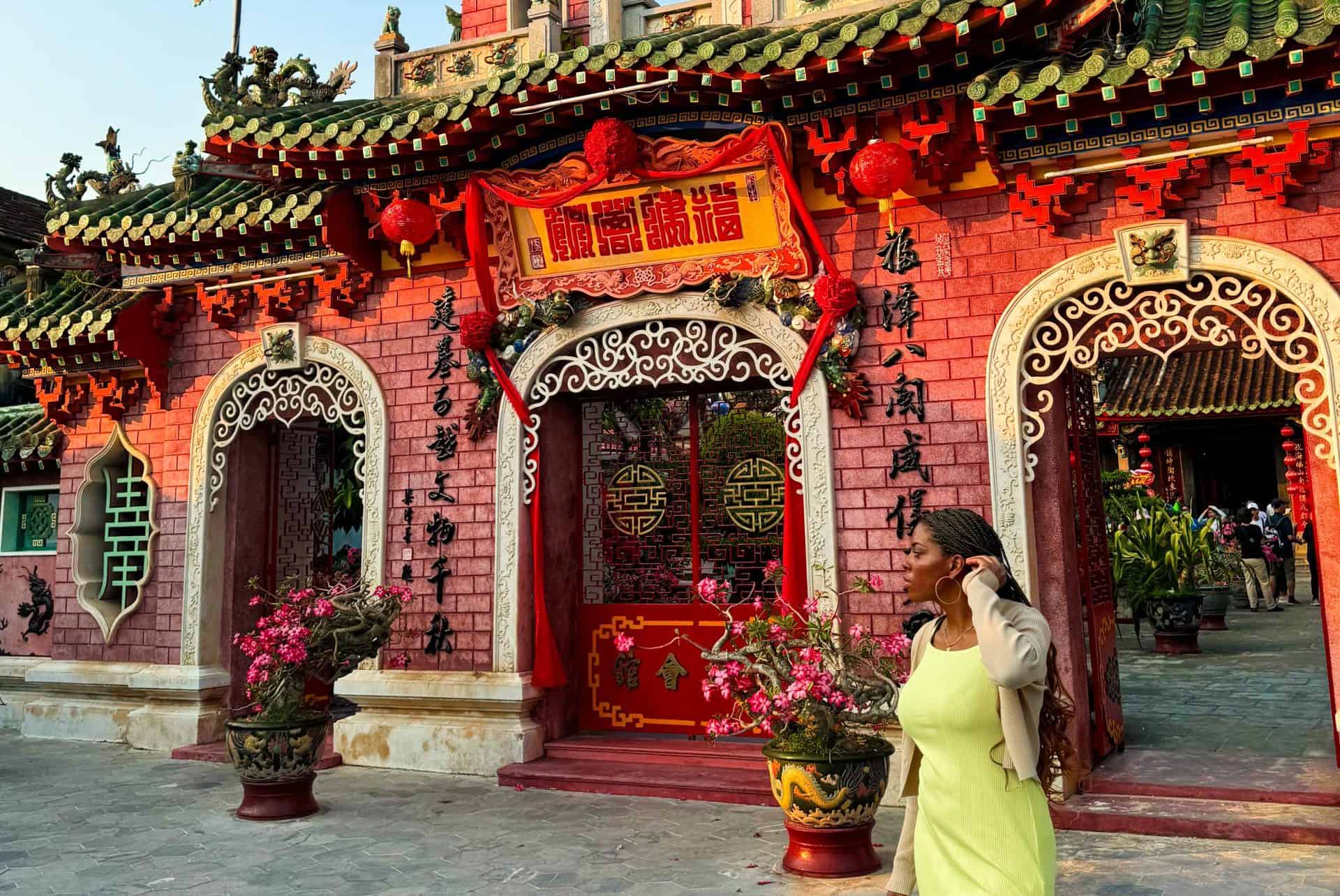
Best Vietnam Travel Tips for First Time travelers
This post walks you through the best Vietnam Travel Tips for First Time travelers.
My first introduction to Vietnam was many years ago, when the hair industry suddenly started booming there. At the time, I sold hair extensions and all my suppliers were from China. So you can imagine my confusion when I began getting emails and WhatsApp messages from +84 numbers (country code for Vietnam). I searched it up, and that tiny Google search opened a whole new world. From the first photos I saw, I was hooked. There were hotels that looked luxurious yet still affordable, culture that beckoned to me. I told myself that one day, I’d go here. And from that moment, the dream began.
Fast-forward to the day I finally decided to make it happen. I quickly realized I was clueless… probably in the same position you might be in right now. Asking questions like
– Where do I start? North or South?
– How do I handle the language barrier?
– What’s the best way to stay connected?
– What are the must-do activities or places to see?
That confusion pushed me into a deep dive of research, and honestly, it paid off. If you’re planning your first trip to Vietnam, you’re in the right place, because I’m speaking from first-hand experience and from exploring different regions of this beautiful, underrated Southeast Asian country. I’ll be sharing essential travel tips to help first-time travelers feel more confident and get the most out of their visit.
Before we jump in, drum roll pleaseeeeeeee! This is officially my first blog post, and I’m beyond excited to finally be doing this. It’s been a long time coming.

My name is Nma (pronounced In-ma). I’m originally from Nigeria, living in the Netherlands, but these days, I like to think of myself as a citizen of the world. Always chasing new experiences, new cultures, and beautiful places. You can call me your travel bestie, because on this blog, I’ll be sharing the amazing places I’ve explored, along with helpful travel tips to make your own journeys smoother, safer, and honestly more fun.
And to kick things off, I’m starting with one of my absolute favorite destinations: Vietnam! In this post, I’ll be sharing my experiences and essential travel tips every first-time visitor to Vietnam should know. So let’s get into it!
Pre-Trip & Planning for Traveling to Vietnam
A little planning goes a long way in Vietnam. Sorting out your visa, understanding domestic flights, and getting the basics in place will make your trip so much smoother. Here are the key things to know before you go.
Get Your Visa Sorted Early
Vietnam offers an e-visa system that makes things fairly straightforward, but please don’t wait until the last minute to apply. Processing usually takes 3–5 working days, and you should always use the official government website (the third-party ones charge more for the same thing).
When you fill out the form, double-check your entry and exit dates, as well as your intended border gate of entry. Vietnam is strict about these details. If your flight or travel plans change, you might need to reapply for a new visa. Also, keep a printed copy of your visa approval letter handy; you’ll likely be asked for it at immigration.
Prepare for Long Immigration Queues
Vietnam’s major airports especially Hanoi (Noi Bai) and Ho Chi Minh City (Tan Son Nhat) can get packed. I spent almost an hour and a half clearing immigration on my first visit, and trust me, it wasn’t fun after a long flight.
If you’re catching a domestic flight afterwards, give yourself at least 3–4 hours between landing and your next departure. It sounds like a lot, but delays happen often and queues move slowly.
A pro tip: mid-day and late-night arrivals are usually less crowded, and keep all your documents ready to speed up the process.
Don’t Skip Travel Insurance
Travel insurance isn’t optional especially in Vietnam. If you’re planning to rent a scooter, trek through the mountains, or try adventure sports like canyoning in Da Lat or riding the Ha Giang Loop, having solid coverage can save you from unexpected costs.
Look for a plan that includes:
- Medical emergencies & evacuation
- Lost baggage and delays
- Motorbike or adventure activity coverage (very important!)
Many travelers overlook this, but it’s truly one of the smartest investments you can make before any trip.
Compare Domestic Flight Prices
Vietnam is a long, narrow country, so flying between cities can save you a ton of time. Airlines like VietJet Air, Bamboo Airways, and Vietnam Airlines offer frequent domestic flights and often run flash sales that can be cheaper than train or bus tickets if you book early. Take it from me, book your domestic flights early. I waited too long and watched the prices climb for no reason.
Always check their official websites or trusted aggregators. Even if you’re traveling on a budget, sometimes it’s worth spending a few extra dollars for a quick one-hour flight instead of a long overnight bus ride. A route like Hanoi to Da Nang is only about 1.5 hours by air, and it saves you so much time and energy.
Getting Around Vietnam
Getting around Vietnam is honestly part of the fun. From buzzing motorbike rides through narrow alleys, to long scenic trips between cities, there’s always something happening on the road. The good news is that Vietnam’s transport system is affordable, flexible, and very traveler-friendly once you get the hang of it.
Here’s everything you need to know to move around with ease.
Use Grab for Easy City Rides
Grab is the go-to ride-hailing app in Vietnam, and honestly, a traveler’s best friend. You can book cars, bikes, or taxis for short city rides, and it’s usually cheaper than traditional taxis.
One feature I loved is the ability to schedule rides in advance (up to seven days). This saved me when I needed a transfer from Ba Na Hills back to Da Nang. I booked it ahead of time and didn’t have to stress about finding a ride later.
If you want something a bit more premium, try Xanh SM, an eco-friendly, higher-end service that uses electric cars. It’s quieter, cleaner, and perfect when you want a more comfortable ride.
In smaller towns where Grab might not be available, Be is another solid local alternative.
Just a heads-up: Gojek shut down its Vietnam operations in 2024, so focus on Grab, Xanh SM, or Be.
Renting a Scooter
Renting a scooter is one of the best ways to experience Vietnam like a local, especially in places like Da Nang, Hoi An, and Ninh Binh. But before hopping on, there are a few important things to keep in mind:
-
- Ask your accommodation for rental recommendations. They usually know reliable local shops and can help you avoid tourist traps.
- Always check the condition of the bike: brakes, mirrors, headlights, and tires.
- Inspect the helmet carefully. Many rental shops provide stylish but unsafe helmets that wouldn’t protect you in an accident. Choose or Buy a sturdy, well-fitted one.
- Carry your international driver’s permit with motorcycle clearance. Police checks are common in some cities, and not having one could lead to fines.
- Start slow. Vietnamese traffic can feel chaotic, so if you’re not confident, start small, maybe in a quieter town like Hoi An before attempting Hanoi or Ho Chi Minh City.
Taking Long Trips Between Cities
For long distances, say from Hanoi to Da Nang or Da Nang to Ho Chi Minh City, sleeper buses are a popular and budget-friendly option. However, not all sleeper buses are created equal.
There are three main types:
-
- Basic sleeper buses: older, cramped, and not very comfortable.
- Mid-range buses: more comfortable but still shared cabins.
- VIP sleeper buses (cabin buses): individual pods that let you lie completely flat. These are the best for overnight trips.
I learned this the hard way after accidentally booking an old-style sleeper bus 😅. So here’s what I recommend:
-
- Always book through reputable platforms like 12go.asia. They show real photos of the buses so you know exactly what you’re getting.
- Always read reviews before paying.
- Book early (at least 1–2 days in advance). The best buses sell out quickly, especially on weekends or holidays.
I personally used Kadbus for one of my trips, and it was an excellent experience – clean, modern, and on time
Communication & Connectivity in Vietnam
Staying connected in Vietnam makes a huge difference, whether you’re navigating Hanoi’s tiny alleys or trying to translate a menu in a local café. Internet access is generally good across the country, but a few smart preparations will make your trip smoother.
Download Google Translate & Offline Maps
Before your trip, take a few minutes to download Google Translate and Google Maps for offline use. You’ll thank yourself later.
-
- Google Translate is an absolute lifesaver when you’re trying to read menus, street signs, or chat with locals who don’t speak English. Download the Vietnamese language pack in advance so it works even when you’re offline.
- Google Maps offline helps you navigate cities, towns, and even rural roads without relying on mobile data. Just zoom into the area you’ll be visiting, tap “Download Offline Map,” and you’ll have access even when your signal drops.
This came in handy for me several times especially while exploring rural parts of Ninh Binh, where mobile data can be spotty or non-existent.
Pro tip: If you prefer something lighter on battery, try Maps.me. It’s another great offline navigation app that many Southeast Asia travelers swear by.
Communication Tips with Locals
Vietnamese people are incredibly warm, kind, and welcoming, butsometimes the language barrier can make things interesting. Don’t worry, a smile, a few simple words, and kind gestures go a long way.
Here are some tips that helped me connect easily with locals:
-
- Keep it simple and direct. Long English explanations can confuse people. Short sentences work best.
- Use gestures or visuals when possible. Pointing, showing pictures, or typing out what you mean can help a lot.
- Learn a few Vietnamese phrases. Even simple greetings like:
- Xin chào (Hello)
- Cảm ơn (Thank you)
- Bao nhiêu? (How much?)
- Không sao (It’s okay)…can instantly make interactions warmer and friendlier.
- And most importantly, be patient and kind. Even if you’re misunderstood, keep smiling. Vietnamese people really appreciate friendly travelers who try to communicate respectfully.
Staying Connected: SIM Cards & eSIM Options
Getting a local SIM card or eSIM in Vietnam is one of the easiest and most affordable ways to stay connected. Internet speed is surprisingly fast, even in smaller towns, but not all networks are equal.
Here’s a quick breakdown of your best options:
- Viettel – The largest and most reliable network in Vietnam, with strong 4G/5G coverage even in remote areas like Ha Giang, Sapa, and Phong Nha. Ideal if you’re exploring multiple regions.
- Vinaphone – Great coverage in cities and touristy areas. Their data bundles are often budget-friendly and widely available.
- Toosim – A newer digital eSIM option that’s very convenient if you prefer to set up everything online before your trip. It works smoothly across major Vietnamese networks.
You can easily buy SIMs or eSIMs at the airport arrival hall, convenience stores, or mobile shops in town. If you’re getting a physical SIM, remember to bring your passport, as registration is required by law.
Pro tip: For a hassle-free setup, consider ordering a Vietnam eSIM online (through Airalo, Nomad, or Toosim) before you fly. It activates automatically once you land, so need to queue at the airport counter.
Bonus Tip: Stay Connected Everywhere
Most hotels, cafés, and restaurants offer free Wi-Fi, and their speed are generally good in cities. Still, don’t rely on it completely. Having mobile data will help you:
- Use Grab for rides,
- Check Google Maps while exploring,
- Translate local signs or menus, and
- Stay in touch with friends and family back home.
A little preparation goes a long way, and in Vietnam, staying connected truly makes everything easier.
Food & Drink in Vietnam
One of my absolute highlights of visiting Vietnam was without a doubt the foodddddd. Every street corner has something sizzling, steaming, or freshly made right before my eyes. Vietnamese cuisine is full of bold flavors, fresh ingredients, and an irresistible balance of sweet, salty, sour, and spicy. But beyond indulging in all the deliciousness, there are a few smart things to know about eating and drinking safely while traveling through Vietnam.
Street Food: Busy Stalls Are Your Best Friend
Street food in Vietnam isn’t just safe, it’s part of the culture. From early morning pho stands to late-night Bánh Mì vendors, locals eat street food daily, and so should you. A simple rule to remember: if the stall is busy, it’s usually safe. High turnover means the ingredients are fresh, and the food hasn’t been sitting out for long. That’s how I stumbled upon Bánh Mì 25 in Hanoi, a tiny, bustling corner spot with a line of locals, and honestly one of the best sandwiches I’ve ever had.
When in doubt:
- Watch how the food is prepared. Hot, freshly cooked meals are safest.
- Avoid anything that looks like it’s been sitting out uncovered.
- Bring your own reusable chopsticks or utensils if you’re extra cautious.
And if you have a sensitive stomach, it’s smart to pack a few anti-diarrheal tablets or probiotics just in case. They can be a lifesaver for travelers trying new foods.
Be Careful with Ice
Vietnam is hot and humid, so a cold drink sounds perfect, but if you have a sensitive stomach, be mindful of ice from street vendors. In most restaurants and cafés, ice is made from filtered water and perfectly safe, but at roadside stalls or food carts, hygiene standards can vary. If you’re unsure, skip the ice or opt for sealed bottled drinks instead.
Don’t Miss the Local Coffee Culture
Vietnam is the second-largest coffee producer in the world, and its coffee culture is unlike anywhere else. If you’re in Hanoi’s Old Quarter or a hidden Hoi An café, you’ll find locals sipping their favorite brews slowly. Trust me, it’s a whole experience.
Two must-tries:
- Cà phê sữa đá – strong Vietnamese coffee served over ice with sweet condensed milk. It’s bold, rich, and slightly addictive!
- Coconut coffee – a creamy, refreshing twist made with coconut milk and coffee, perfect for hot afternoons.
Many cafés in Vietnam have cozy, Instagram-worthy vibes with rooftop views or hidden courtyards, so take your time to soak it all in.
Pro tip: Order your coffee at local chains like Cong Caphe or Highlands Coffee for consistency, or explore smaller independent cafés for authentic charm.
A Note on Alcohol Safety
If you plan on enjoying a few drinks, do so safely. Stick to sealed bottled beer (like Saigon Beer, 333, or Hanoi Beer) or cocktails from reputable bars and restaurants. Unfortunately, there have been rare but serious cases of methanol poisoning from counterfeit or poorly mixed alcohol.
To stay safe:
- Avoid street cocktails or unbranded liquor.
- Only drink from sealed bottles or cans opened in front of you.
- If you’re unsure about a drink, skip it. It’s not worth the risk.
Final Food Tip: Eat Like a Local
The best meals you’ll have in Vietnam won’t come from a fancy restaurant, they’ll come from humble, family-run spots where recipes have been passed down for generations.
Don’t be afraid to explore, try new dishes, and ask locals for recommendations. Some must-try dishes include:
- Phở (Vietnam’s iconic noodle soup)
- Bánh mì (crispy Vietnamese sandwich)
- Bún chả (grilled pork with rice noodles)
- Gỏi cuốn (fresh spring rolls)
Experiences & Local Tips
Vietnam is more than just a destination, it’s a collection of different experiences in one country, with each region offering something truly unique. From custom tailoring in Hoi An to cruising through limestone islands in Halong Bay, here are the local tips that helped me enjoy Vietnam on a deeper level.
Hoi An: Tailoring Dreams Come True
Hoi An is often called the tailoring capital of the world, and for good reason. Everywhere you turn, you’ll find shops offering to make anything from flowy summer dresses to perfectly fitted suits, often within just a few days. If you plan on having clothes made, give yourself at least 2–3 full days in town. Most tailors need time for measurements, fittings, and adjustments to get everything perfect.
Bring photos, Pinterest inspiration, or sketches of what you want. The more visual references you provide, the better your results will be. And don’t hesitate to communicate clearly about fabrics, linings, or little details. Vietnamese tailors are incredibly skilled and will do their best to bring your vision to life.
Pro tip: Some of the most trusted tailors I’ve seen other travelers recommend include Yaly Couture, Bee Bee Tailors, Kimmy Tailor, and Vanda tailors (for wool).
Phu Quoc: Escape the Usual Tourist Spots
Phu Quoc is Vietnam’s tropical gem, famous for its crystal-clear waters, palm-lined beaches, and relaxed island vibe. Most travelers stick to the southern beaches like Long Beach (Bai Truong), but the real magic lies up north.
Rent a scooter and explore the northern side of the island, where you’ll find hidden stretches like Ganh Dau Beach and Rach Vem. Known for its floating fishing villages and starfish-filled waters. It’s quieter, cleaner, and gives you that “hidden paradise” feeling. You can stop at local seafood shacks for grilled squid or fresh prawns right by the shore. It’s as authentic as it gets.
Halong Bay: Pick the Right Cruise
A trip to Vietnam isn’t complete without seeing Halong Bay, but here’s the secret: Not all cruises follow the same route. While Halong Bay is stunning, it can also get very crowded with tour boats.
For a more peaceful experience, ask whether your cruise visits Lan Ha Bay or Bai Tu Long Bay. Both are less touristy alternatives with equally breathtaking limestone formations and emerald waters.
Book your cruise well in advance for better prices and a wider choice of reputable companies. The best boats offer small group tours, kayaking, onboard cooking classes, and even night squid fishing.
Pro tip: Always read recent traveler reviews before booking, and double-check if meals, transfers, and activities are included in the price.
Sapa: Trek with a Local Hmong Guide
Sapa’s misty mountains, terraced rice fields, and ethnic villages make it one of the most photogenic places in Vietnam. But to truly experience its soul, go beyond the standard tourist routes.
Hire a local Hmong or Dao guide for your trek. It’s not only more authentic, but it also directly supports local communities who depend on tourism for income. These guides know the trails like the back of their hands and can lead you to lesser-known paths, scenic rice terraces, and welcoming homestays far from the crowds.
It’s a cultural exchange too. You’ll hear personal stories, learn about their traditions, and see daily life up close.
Keep Small Change Handy
It might sound like a small thing, but carrying small bills and coins makes life so much easier in Vietnam. Many drivers, local shops, and even small cafés don’t have change for large notes, especially 500,000 VND bills.
Try to break larger notes at convenience stores or restaurants whenever you can. It’ll save you the awkward “no change” moment when paying for street food or short rides.
Wake Up Early. It’s Worth It
If you do one thing differently in Vietnam, let it be waking up early. Mornings here are absolutely magical. Before 7 a.m., the air is cool, the streets are calm, and locals are already out exercising, practicing Tai Chi, or shopping in bustling markets. It’s the best time to wander around, take photos, or enjoy a quiet coffee by the lake before the day gets busy (and hot!).
You’ll see a side of Vietnam that many tourists miss. One that’s calm, community-driven, and deeply connected to everyday life.
I hope these tips make your first trip to Vietnam smoother, easier, and a lot more fun. Vietnam is one of those places that pulls you in with its beauty, its energy, and its warmth. Go with an open mind, try new things, be patient with the little surprises, and let the country show you why so many people fall in love with it. If you have any questions, feel free to drop them in the comments, your travel bestie is here to help.
If you enjoyed this article, you should definitely read 13 unforgettable places to visit in Vietnam
This post showed you the best Vietnam Travel Tips for First Time travelers. Hope you found value for your time here.
Pingback: 13 Unforgettable Places to Visit in Vietnam - Nma Okafor