Malta
Everyone I know who has visited Malta wants to go back again, myself included. I visited in May 2026, and afterwards I couldn’t stop gushing about it to friends, and anyone who cared to listen, and now apparently you. Haha. I’m saying this in hopes that I can convince you that there’s something special about this Mediterranean island, but if that’s not enough to convince you… here are a few reasons why Malta continues to be one of Europe’s most loved travel destinations:
Beautiful Mediterranean Beaches:
Think crystal-clear turquoise water, hidden sea caves, dramatic coastlines, and golden sunsets. Whether you’re looking for a relaxing beach day, a scenic boat trip, or some of the best swimming spots in Europe, Malta delivers.
Great Weather Almost All Year Round:
One of the biggest reasons to visit Malta is its climate. With over 300 days of sunshine each year, Malta is a fantastic destination not only during summer but also in spring, autumn, and even winter. The mild temperatures make it perfect for sightseeing, hiking, and exploring year-round.
An Affordable European Island Destination:
Compared to many other European islands, Malta offers excellent value for money. You can enjoy beautiful scenery, delicious food, beach clubs, boat tours, and even luxury hotels without the high price tag often associated with Mediterranean destinations.
Historic Cities and Ancient Architecture:
If you love history, you’re in for a surprise. The island is home to some of the oldest free-standing stone structures in the world, many of which are older than the pyramids of Egypt. Historic cities like Mdina and Rabat are filled with centuries of history, beautiful architecture, and charming streets just begging to be explored.
Perfect for Every Type of Traveller:
Whether you’re planning a romantic couples getaway, a solo adventure, a family holiday, or a fun weekend with friends, there’s a place for you in Malta. From luxury resorts and boutique hotels to budget-friendly stays, you’ll find accommodation and activities to suit every travel style.
Where is Malta?
If you didn’t already know, Malta is a small island country in Southern Europe, located in the heart of the Mediterranean Sea, about 93 km south of Sicily, Italy. Its location makes Malta a fantastic destination for travellers looking to combine sunshine, beautiful beaches, rich history, and island adventures in a single trip. And while Malta may look small on a map, don’t let its size fool you. There is plenty to see and do here.
One of the biggest advantages of visiting Malta is that you can explore a lot without spending hours in transit. Historic cities, scenic coastal towns, hidden swimming spots, and nearby islands like Gozo and Comino are all within easy reach, making it possible to experience a lot even on a short trip.
Quick Facts About Malta
- Capital City: Valletta
- Currency: Euro (€)
- Languages: Maltese and English
- Time Zone: Central European Time (CET/CEST) i.e. UTC+1 in winter and UTC+2 in summer
Travel Tip: English is one of Malta’s official languages and is spoken widely throughout the country, making it an easy destination for international travellers. Even if you’re visiting from outside Europe, you’ll notice that locals are very accustomed to tourism, so asking for directions, recommendations, or assistance will rarely feel uncomfortable.
How to Get into Malta
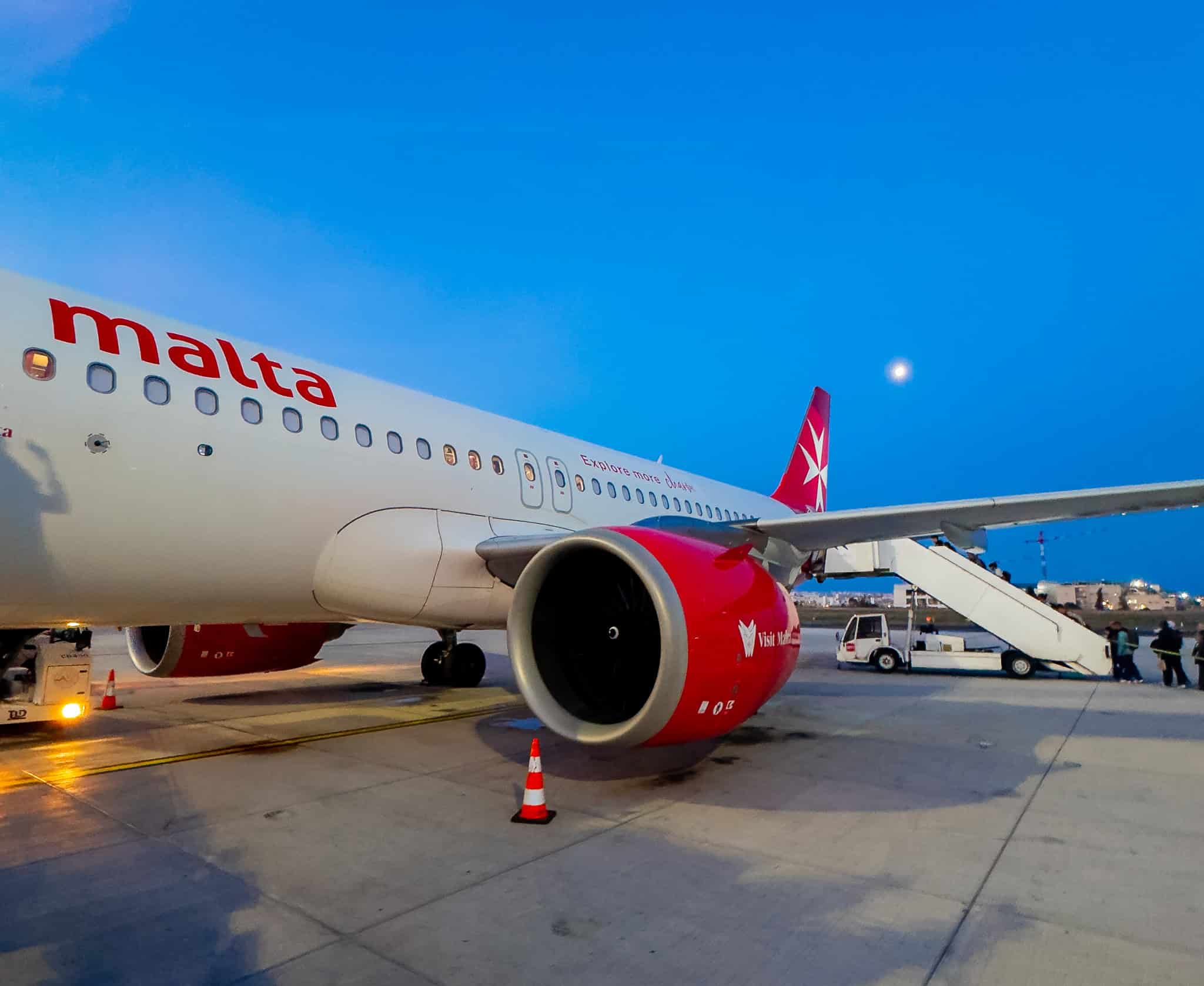
- ✈️ By Air: Most travellers arrive through Malta International Airport, the main gateway into Malta. There are regular flights within Europe, Africa, and the Middle East, making it well connected especially if you have a multi-country trip.
- 🛳️ By Ferry: You can also take a ferry from nearby Italy, especially from Sicily. It’s a slower but very scenic way to arrive, especially if you enjoy sea views.
Best Time to Visit Malta
There isn’t one perfect time to visit Malta. Instead, it comes down to whether you prefer the lively peak season or a quieter, more relaxed experience.
Summer (June – August)
This is Malta at its busiest and most energetic. Think beach days, boat trips, festivals, rooftop bars, and nightlife in places like St. Julian’s. If you’re looking for the full Mediterranean summer experience, this is it.
However, it’s also the hottest, most crowded, and most expensive time to visit. Cruise ships dock daily, accommodation fills up quickly, and many of Malta’s most popular attractions will be busier.
Tip: Book accommodation well in advance if you’re visiting during summer, especially if you’re staying in Valletta, Sliema, or St. Julian’s.
Spring (March – May)
This is personally my favourite time to visit Malta, and the season I chose for my own trip.
The weather is warm enough to enjoy being outdoors without constantly searching for shade. It’s also perfect for exploring places like Valletta, hiking or walking along the Sliema Promenade without melting under the Mediterranean sun.
Note that the closer you are to summer, the busier Malta gets, so late spring can still feel like a peak travel period. You’ll find lively restaurants, boat tours, and nightlife, but with slightly more breathing room.
The only downside is that the sea can still feel a little cold, especially earlier in the season, so it may not be ideal if swimming is your main priority
Autumn (September – November)
If I had to recommend one season for most travellers, it would probably be autumn.
The sea is still warm from summer, but the crowds are thinning out, and accommodation prices are more reasonable. It feels like you’re getting many of the benefits of summer without any of the stress.
If you enjoy warm days and cooler evenings, this is also one of the most comfortable times to visit. You can spend the day in summer clothes and throw on a light jacket at night.
Tip: If your dates are flexible, aim for spring or early autumn. You’ll enjoy great weather, fewer crowds, and often better prices than during the peak summer months.
How Many Days Do You Need in Malta?
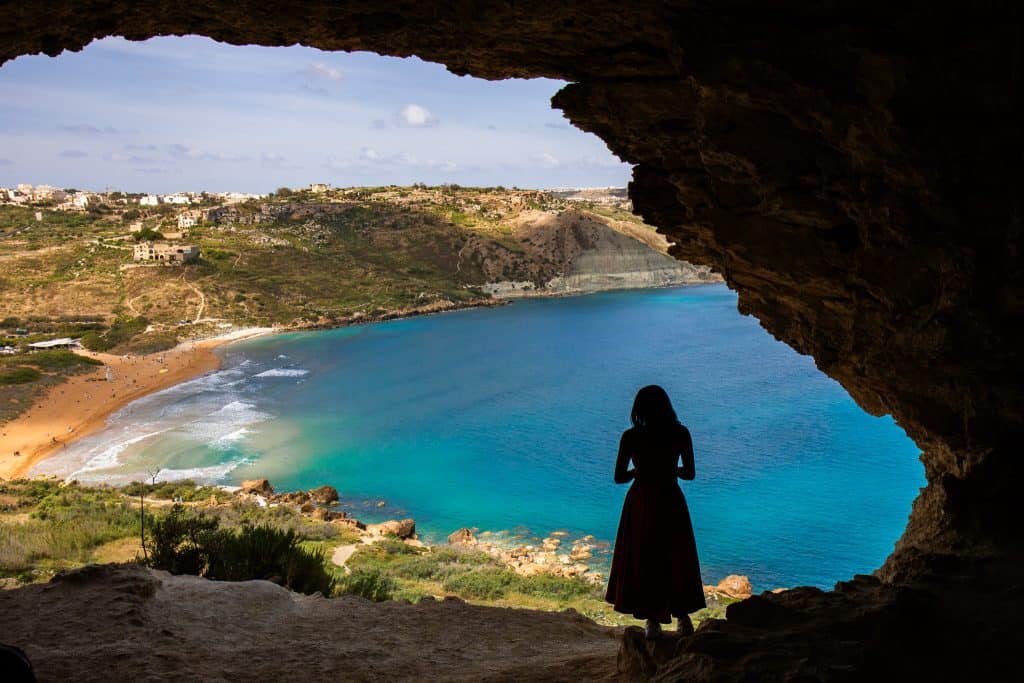
There is a lot to do in Malta was how much there is to do despite its size.
Technically, you could see many of the highlights in 3-4 days, but I wouldn’t recommend rushing, some of my favourite moments weren’t planned attractions at all, so make time for things that aren;t on your itinerary.
Here’s a rough guideline:
- 3-4 days: Enough time to see Valletta, Mdina, St. Julian’s, and take a boat trip to Comino.
- 5-7 days: Ideal for most travellers. You’ll have time to explore the main island, visit Gozo, enjoy beach days, and experience Malta at a more relaxed pace.
- 7+ days: Perfect if you enjoy slow travel, photography, hiking, beach clubs, or simply want the flexibility to explore without constantly moving.
If it’s your first visit, I’d recommend spending at least 5 days in Malta. That gives you enough time to experience the country’s different personalities without feeling like you’re rushing from one attraction to the next.
Top Places to Visit in Malta
One of the things I came to love about Malta is that every area feels different. Because the country is relatively small, you can experience several distinct experiences or vibes within a single trip. One day you can be wandering through historic streets that feel frozen in time, and the next you’re sitting at a beach club watching the sunset. It makes putting together a Malta itinerary surprisingly easy because no two days feel the same.
Valletta
Valletta is probably the most popular city to visit in Malta.
I still remember stepping into the city for the first time and being surprised by the sheer number of people moving through the narrow streets. Thankfully, I didn’t let that put me off, because I found some of my favourite hidden gems once I explored beyond the busiest areas.
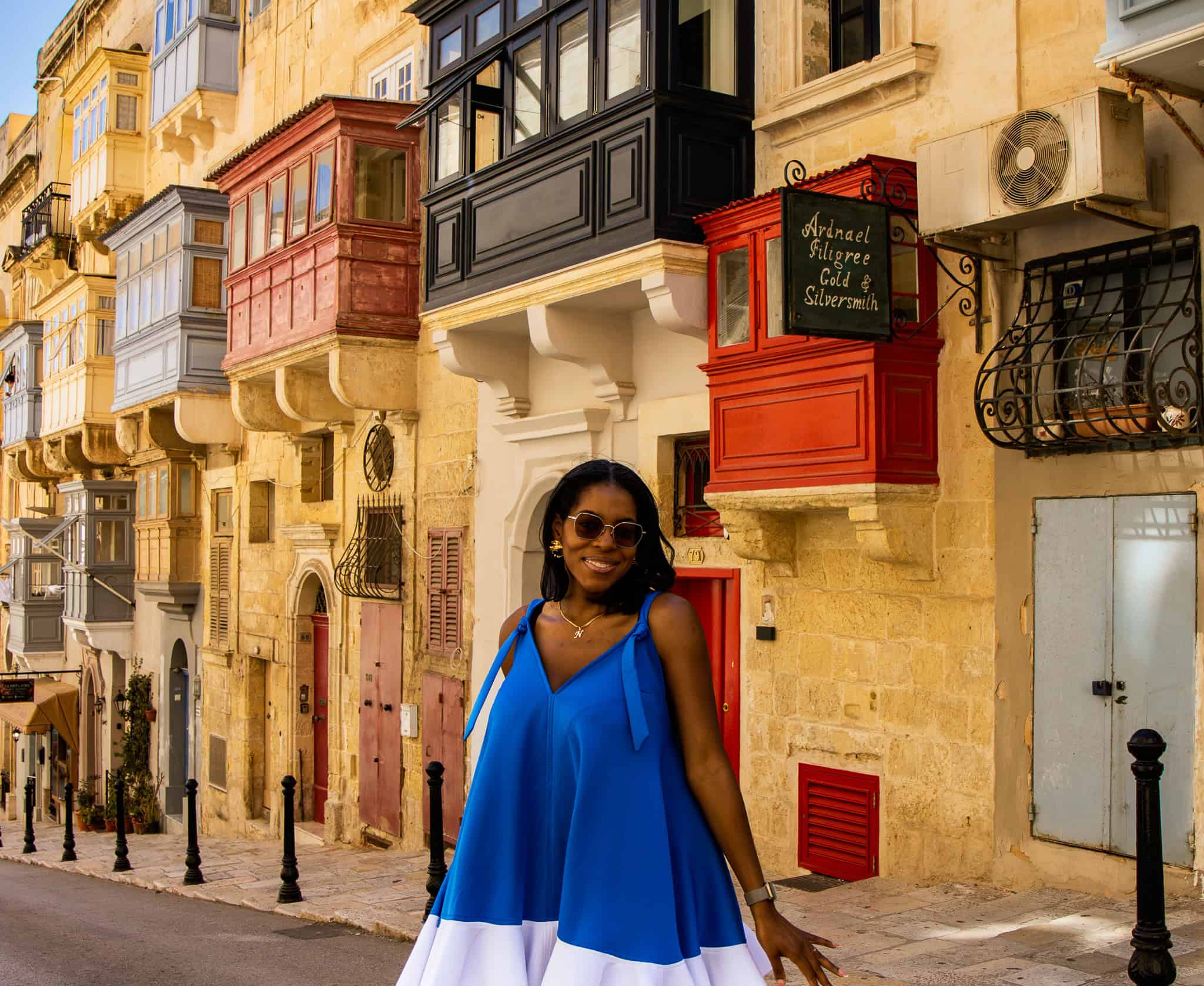
Spend time at the Upper and Lower Barrakka Gardens, watch the famous cannon firing ceremony, get lost in the side streets, sit at a café terrace with no particular plans, or find a quiet viewpoint overlooking the harbour as the sun begins to set.
Tip: Wear comfortable shoes. Valletta is beautiful, but you’ll quickly discover that the city is full of slopes, staircases, and uneven streets.
Mdina (and Rabat)
Mdina feels like stepping into a completely different world.
Known as the Silent City, it’s more quiet, and somehow feels untouched by time. The golden stone buildings, medieval architecture, and narrow alleyways make it one of the most photogenic places in Malta. You can find horse carriages being pulled through the streets here, and although it receives plenty of visitors, it never felt overwhelming during my visit.
I recommend combining Mdina with nearby Rabat and stopping for lunch at one of the terrace restaurants. Coogi’s is a popular option if you’re looking for somewhere to sit outside and soak up the atmosphere.
What to expect: Peaceful streets, minimal traffic, and pure bliss.
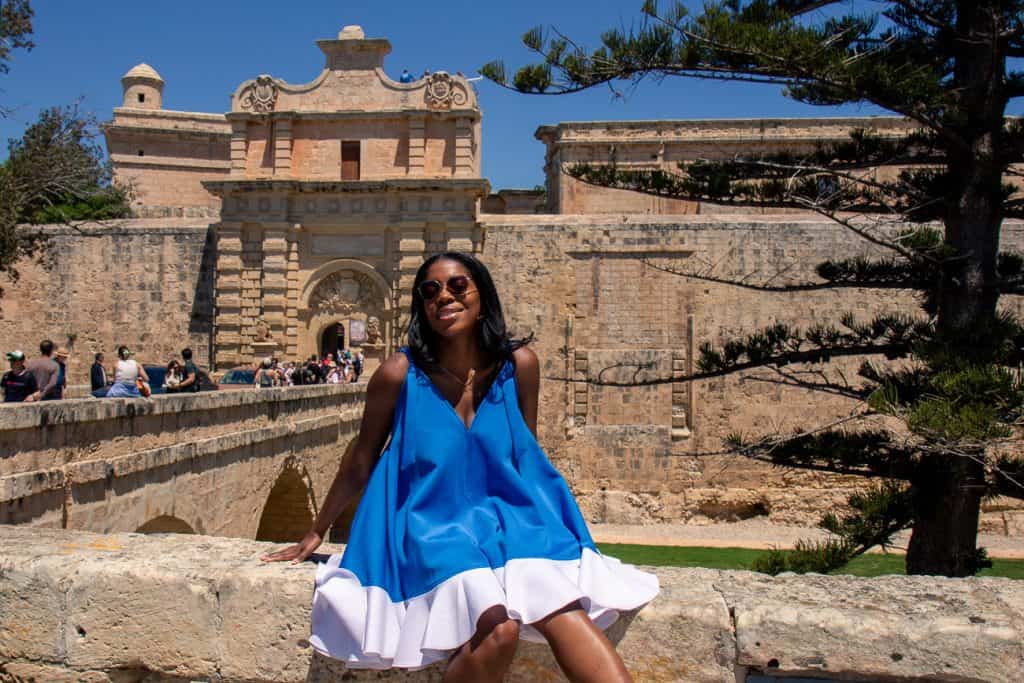
Sitting in front of Mdina Gate
St. Julian’s
If Mdina is Malta’s quiet side, St. Julian’s is its energetic and busy side.
This is where you’ll find beach clubs, rooftop bars, shopping streets, watersports, restaurants, and some of Malta’s best nightlife. It’s lively throughout the day and continues well into the early hours of the morning.
While it may not appeal to travellers seeking peace and quiet, it’s a great base if you enjoy being close to the action.
One thing I particularly liked is that it’s only about 15 minutes from Valletta, making it easy to enjoy both experiences during the same trip.
Tip: Stay here if nightlife, beach clubs, and a social atmosphere are high on your priority list.
Gozo and Comino
These two islands are often mentioned together, but they offer completely different experiences.
Gozo
Gozo is Malta’s slower, greener, and more relaxed sibling. One of the things I loved most was how peaceful it felt compared to the main island. It’s a fantastic place for hiking, scenic drives, coastal viewpoints, and escaping the busier tourist areas.
Ferries run regularly from Ċirkewwa on the main island, making it easy to visit even as a day trip. You can find ferry schedules here. Popular places to visit in Gozo include the Citadel, Tal-Mixta Cave, Dwejra Bay, the salt pans, and countless coastal viewpoints.
Comino
Comino on ther hand, is a small, mostly uninhabited island best known for the Blue Lagoon. On a sunny day, the water is almost unreal. You can often see straight to the bottom, and the colours look more like something from a postcard than real life.
Most visitors come for a day trip, either from Malta or Gozo, and spend their time swimming, exploring sea caves, or cruising around the coastline by boat.
You’ll often hear people say that Comino gets overcrowded during peak season, and while that’s true around the Blue Lagoon itself, the island becomes much more peaceful once you venture beyond the most popular swimming area.
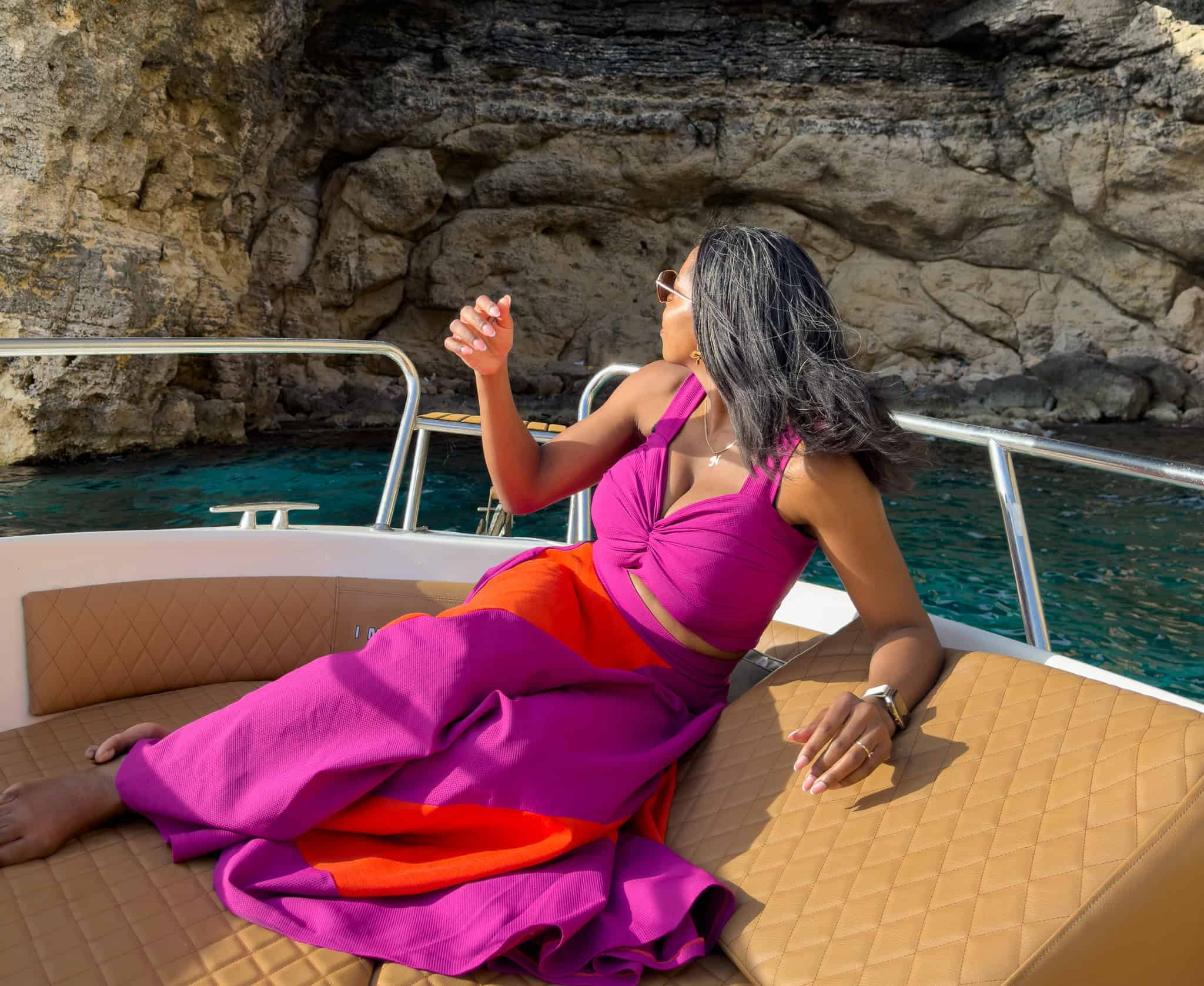
Tip: Visit early in the morning or consider booking a private boat tour if you’d like to experience the island with fewer crowds. I explored Comino with i love malta tours and highly recommend.
Other Places to Consider
Sliema
Sliema is one of Malta’s most convenient areas to stay. It offers waterfront promenades, shopping, restaurants, and easy ferry connections to Valletta. While it lacks the historic charm of Valletta, it’s a practical base with plenty of accommodation options.
The Three Cities
Often overlooked by first-time visitors, the Three Cities offer a quieter and more authentic side of Malta. You’ll find historic streets, beautiful waterfront views, and far fewer crowds than Valletta while still being just a short ferry ride away.
Marsaxlokk
Marsaxlokk is a traditional fishing village famous for its colourful boats and waterfront seafood restaurants. It’s a great place to slow down for a few hours, enjoy fresh seafood, and experience a different side of Malta away from the larger tourist hubs
Best Beaches in Malta
Malta’s beaches come in two types; sandy and rocky and both are worth your time. (AI speak, and can be improved). Also are these actually the best beaches in Malta?
- Golden Bay and Mellieħa Bay are the best for easy, sandy beach days, especially for families.
- For something quieter, Għajn Tuffieħa is more secluded with a wilder feel.
- Want that famous clear blue water? Take a boat to Blue Lagoon on Comino, it’s as beautiful as it looks.
- And if you don’t mind skipping the sand, St. Peter’s Pool near Marsaxlokk has some of the clearest water on the island.
Golden Bay and Għajn Tuffieħa both faces west, making them the best spots for sunset views.
Tip: Whatever beach you pick, go early in summer. The good spots fill up fast.
What to Eat in Malta: Traditional Maltese Foods You Must Try
Food in Malta was a completely new experience for me. Before visiting, I expected something similar to the Mediterranean food I’d eaten elsewhere in Europe, but Maltese cuisine has its own personality. You’ll find influences from Italy, North Africa, and the country’s long history. Some meals immediately became favourites, while others definitely felt like an acquired taste (cough cough *Maltese Rabbit Stew* cough). Either way, trying the local food became one of my memorable experiences in Malta.
-
-
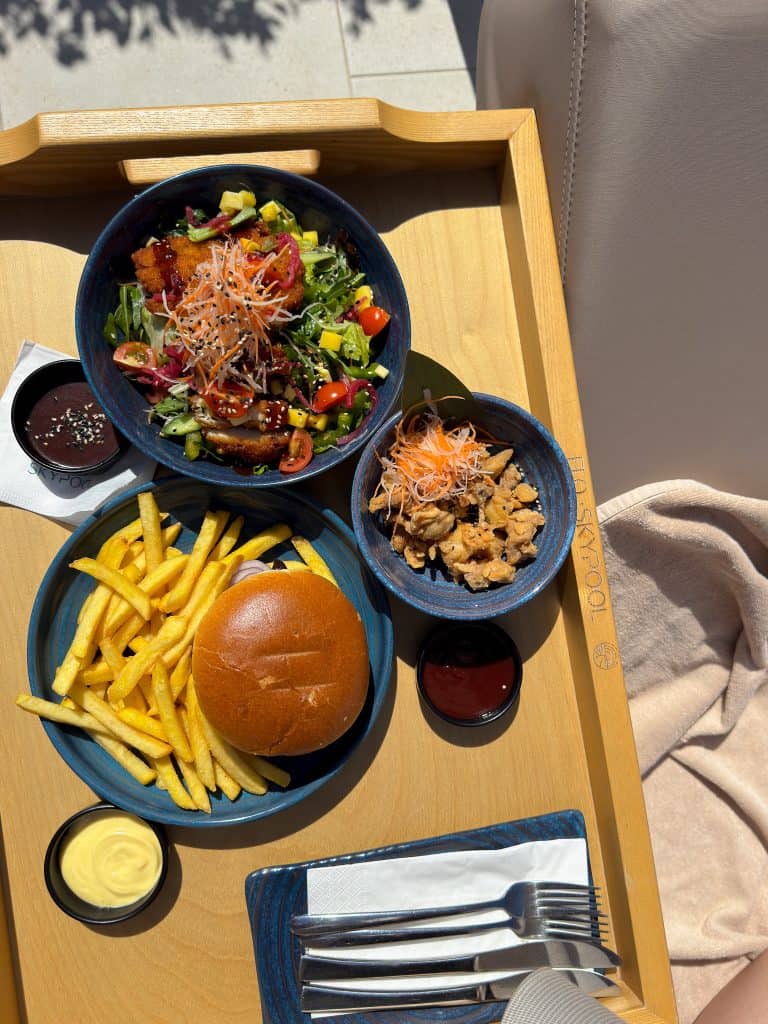
Summer salad
-
-
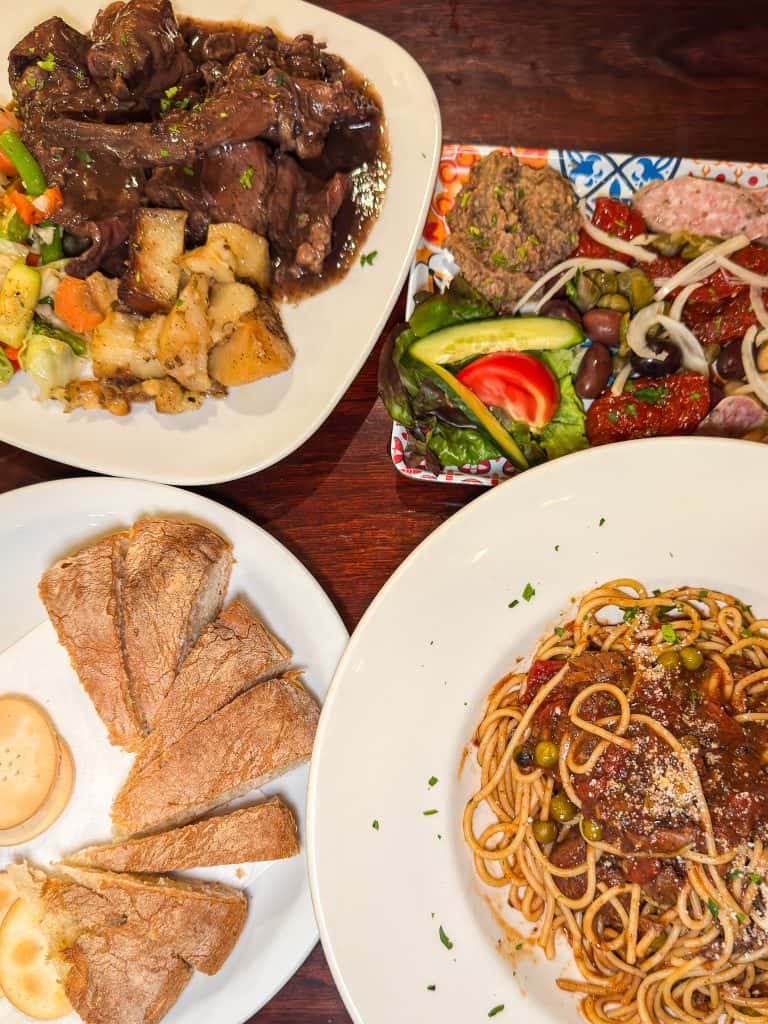
Traditional Maltese dishes – Rabbit Stew is popular
-
-
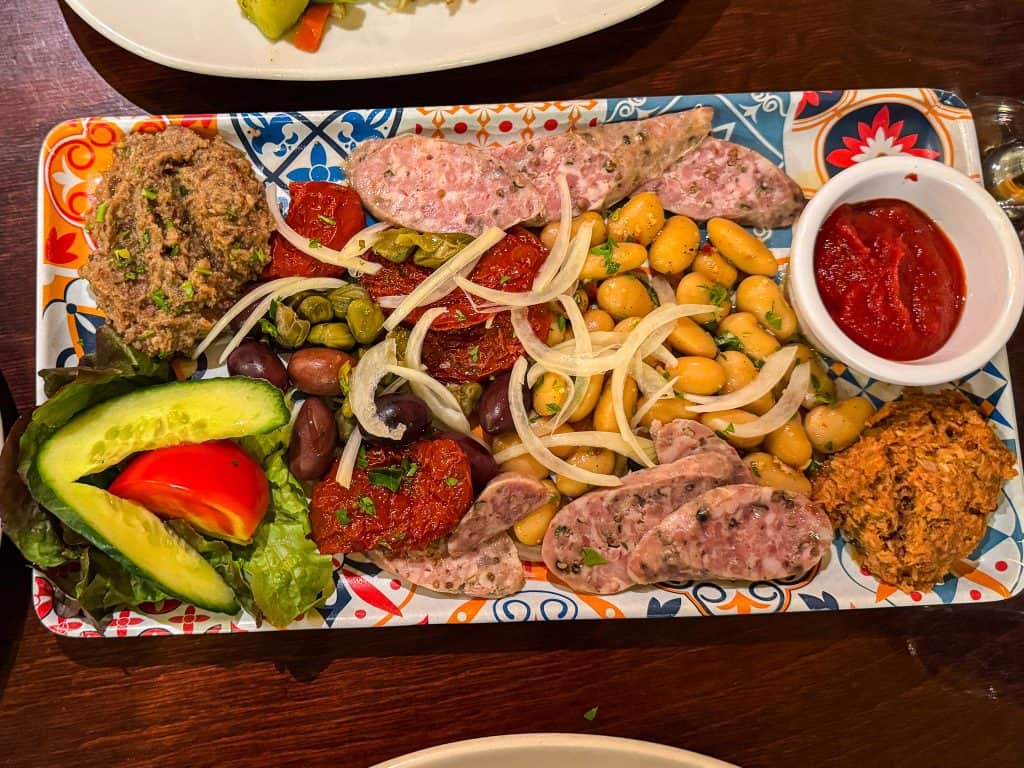
Maltese mezze platter with fresh vegetables, assorted meats, chickpeas, and dips.
Traditional Maltese Foods to Try
Pastizzi
As a pastry lover, I have to start with Pastizzi. These flaky pastries are one of Malta’s most popular snacks and can be found almost everywhere. They’re typically filled with ricotta cheese or mushy peas and are best enjoyed warm. They’re crispy, comforting, inexpensive, and dangerously addictive.
Ftira
Another local favourite is Ftira, a traditional Maltese sandwich made with fresh bread and filled with a variety of ingredients such as tuna, vegetables, olives, capers, and local cheeses. This was one of the foods I saw people eating most often throughout Malta, so naturally I had to try it. It’s simple, filling, and perfect for a quick lunch while exploring.
Fresh Seafood
Being surrounded by the Mediterranean Sea, it’s no surprise that seafood plays a big role in Maltese cuisine. I tried different fish dishes during my trip and immediately noticed how fresh everything tasted. Whether you’re ordering grilled fish at a waterfront restaurant or enjoying a seafood pasta, this is one of the easiest foods to recommend in Malta.
Rabbit Stew (Stuffat tal-Fenek)
If there’s one dish that represents traditional Maltese cuisine, it’s rabbit stew. It’s often served with bread, water crackers, dips, and side dishes. It felt like quite a local dining experience, with the waier explaining how to eat the dishes. I’ll be honest though: this was probably the most challenging dish for me personally. The flavour of the rabbit stew is quite distinctive, partly because of the wine it’s traditionally cooked with. It’s definitely an acquired taste, but I’m still glad I tried it for the experience alone.
Where to Eat in Malta
One thing I learned quickly is that the best food experiences aren’t always found on the busiest streets.
In Valletta, you’ll see plenty of restaurants lining the main tourist areas, and while some are good, I often found myself enjoying the places tucked away on quieter side streets. For healthy-ish foods, I loved EetWell, for desserts, Cremilla were the best hands down. For traditional maltese food: Ta’Kris in Sliema, and Coogi’s in Mdina.
If possible, try at least one traditional café or local restaurant during your trip. Watching locals gather over coffee, pastries, or a long lunch gives you a different perspective on Malta beyond the tourist attractions.
Is Malta Safe for Tourists?
During my trip, I walked around during the evenings without feeling uncomfortable, particularly in busier areas like St. Julian’s and Sliema. Of course, every traveller’s experience is different, but overall Malta felt like a very safe destination to explore. If you’re a solo female traveller, I’d approach Malta the same way you would any other destination: stay aware of your surroundings, keep an eye on your belongings, and avoid unnecessary risks, especially late at night.
The most common issues tourists encounter tend to be minor inconveniences rather than serious safety concerns. Things like overpriced taxis, unofficial tour operators, or tourist-focused pricing can happen, so it’s worth doing a little research beforehand and booking through reputable providers whenever possible.
Tip: Save local emergency numbers, keep copies of important travel documents, and use licensed transport services when possible. A little preparation goes a long way, no matter where you’re travelling.
Final Thoughts on Visiting Malta
Before visiting Malta, I expected beautiful beaches and sunny weather. What I didn’t expect was how much variety such a small country could offer. In just a few days, you can wander through historic cities, relax on Mediterranean beaches, explore hidden caves, hike dramatic coastlines, enjoy incredible food, and experience completely different atmospheres from one area to the next. That’s probably why so many people who visit Malta end up wanting to return. I know I do.
If you’re planning a Mediterranean getaway, consider this your sign to add Malta to your list and experience it for yourself.
And when you’re ready to start planning, be sure to check out my Malta Travel Planning Guide, where I’ll cover everything from flights and accommodation to transportation, budgeting, and building the perfect Malta itinerary.